

From the Bottom Up!!!
Theory.

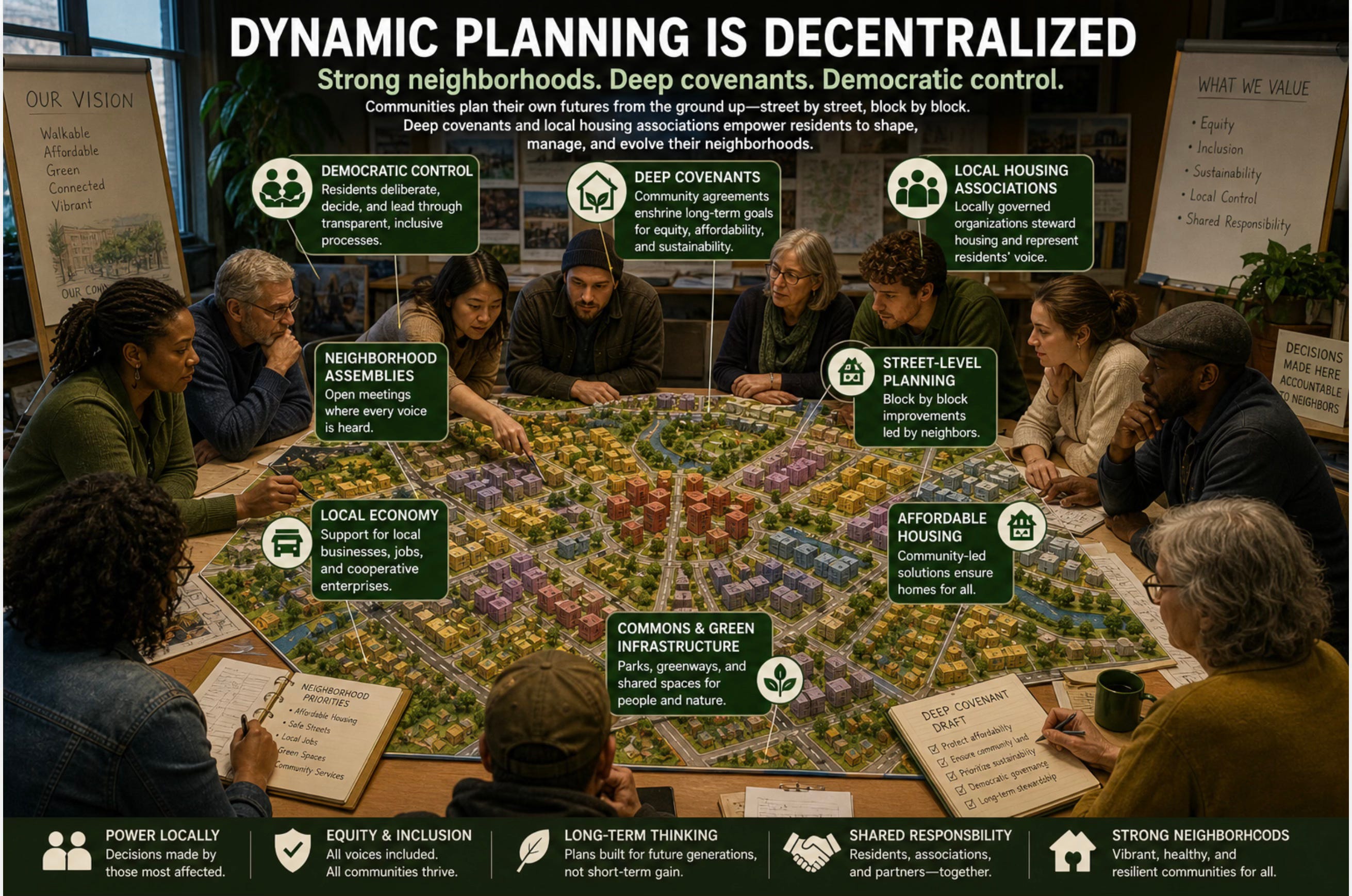
Do we need a centralized regulations system that zoning offers our community? Or do we need to accept that even in a community as small as Windham’s 1,708 residents (Census 2020), vast differences in our community exist? Should we create a future where a monolithic centralized planning system arbitrarily decides who’s in which district of our community? Or should we, the people who inhabit the streets and the neighborhoods of Windham, be empowered to make these long-term decisions for ourselves and the community?
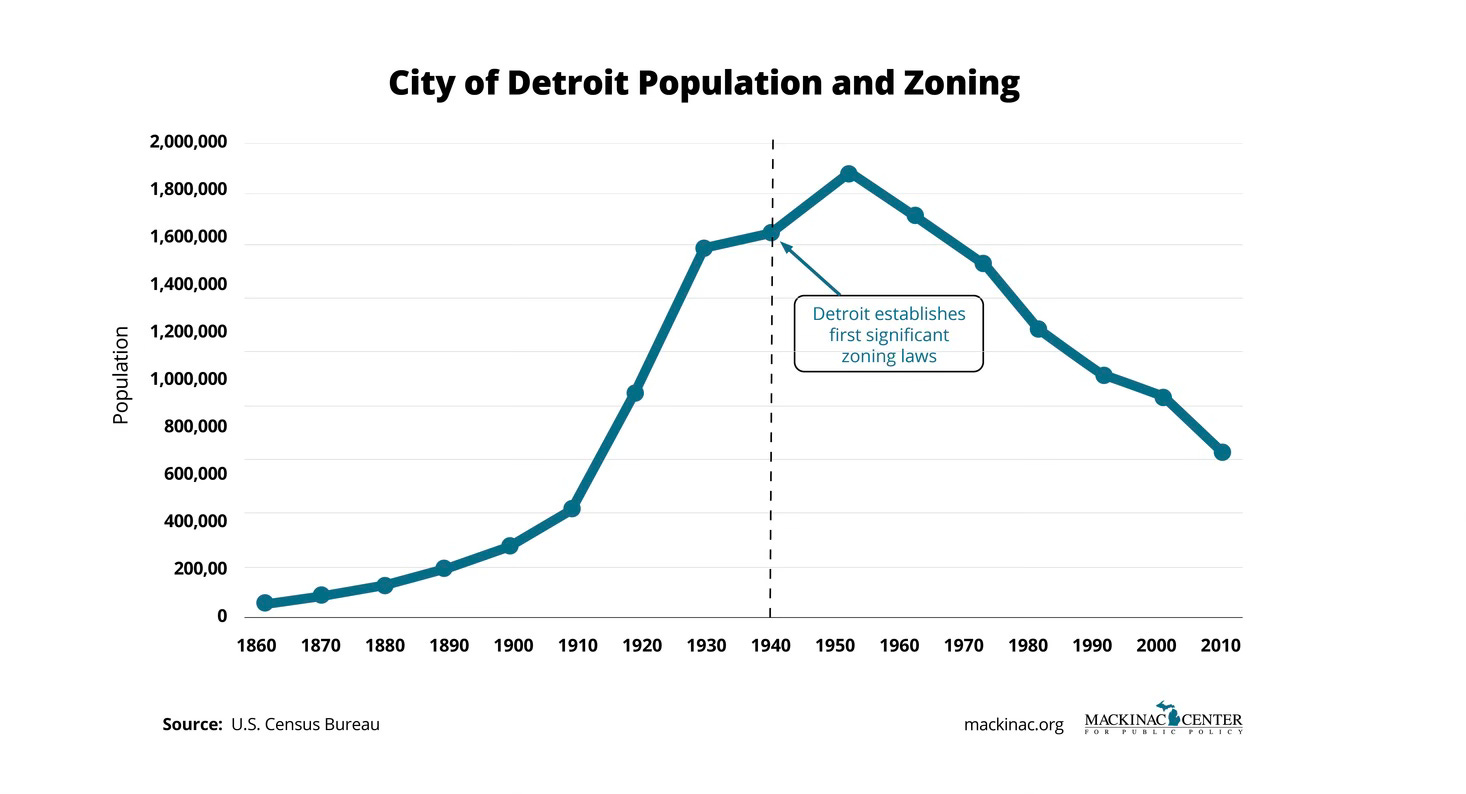
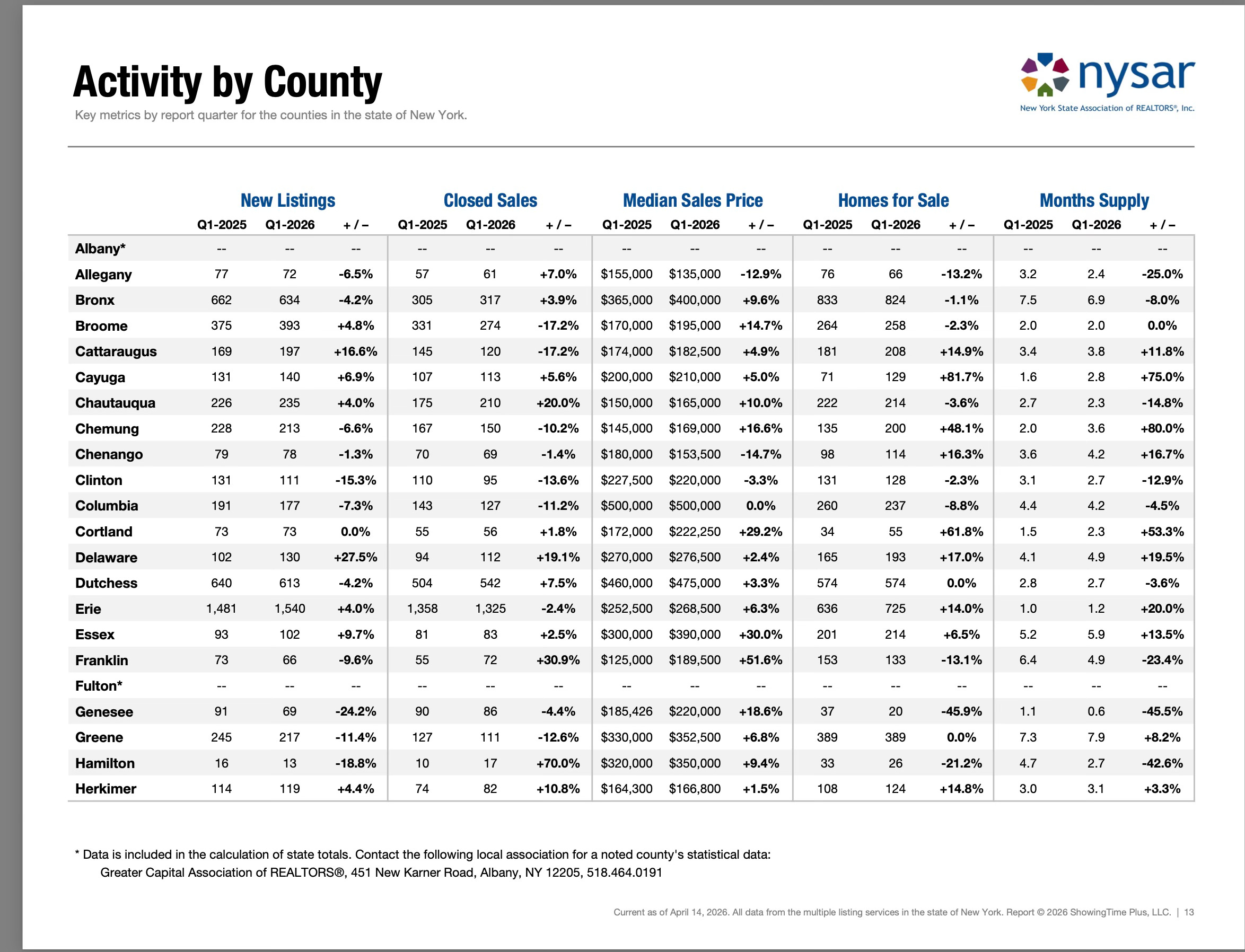
In a new report from the free-market conservative-leaning policy institute, the Mackinac Center for Public Policy has just published a brief that shows that Detroit’s most vibrant period of growth was between 1900 and 1930, before the 1940 enactment of Zoning. This brief clearly shows that restricting land uses and enacting extra regulatory hurdles for the home purchasing public led to a sharp decline in population long before economic upheaval occurred in the city. The brief notes that during periods of weakened economic growth, regulations further stymie the ability of the community as necessary. It is true that at present Windham appears on the surface to be still enjoying a housing boom, but the facts on the ground seem far more pessimistic than have been reported by realtors. The first quarter report for sales is in, and Greene County sold only 111 homes, down 12.6% from the same time in 2025. We have to ask ourselves why, then, would we attempt to push more regulations into our community?
Are we going to now see the same type of declining population trend that Detroit and every other city has seen since the adoption of restrictive zoning laws? The answer seems to be yes. What then should we do instead? Create dynamic local planning based on local needs.
Windham, like any community, is not a single entity. It is an aggregate of many different groups, each with its own needs and desires to grow in specific ways. The problem with traditional Euclidean Zoning (named after the Supreme Court Case and not the branch of flat plane Geometry ) is that it attempts to predict and isolate future trends of growth from a centralized planning beaureau the Zoning Commission. They map out nice little corridors of growth within the community, attempting to force growth to appear like magic where the colors on the map and reality intersect. The problem is that growth like this is hard to pre-determine. It’s very difficult to say why one neighborhood might be more desirable to live in at first than a neighboring one. It could be costs, natural beauty, or even proximity to some amenity. But attempting to force people to grow in specific ways normally ends badly. The problem is usually based on the fact that most people desire to be part of the conversation of development.
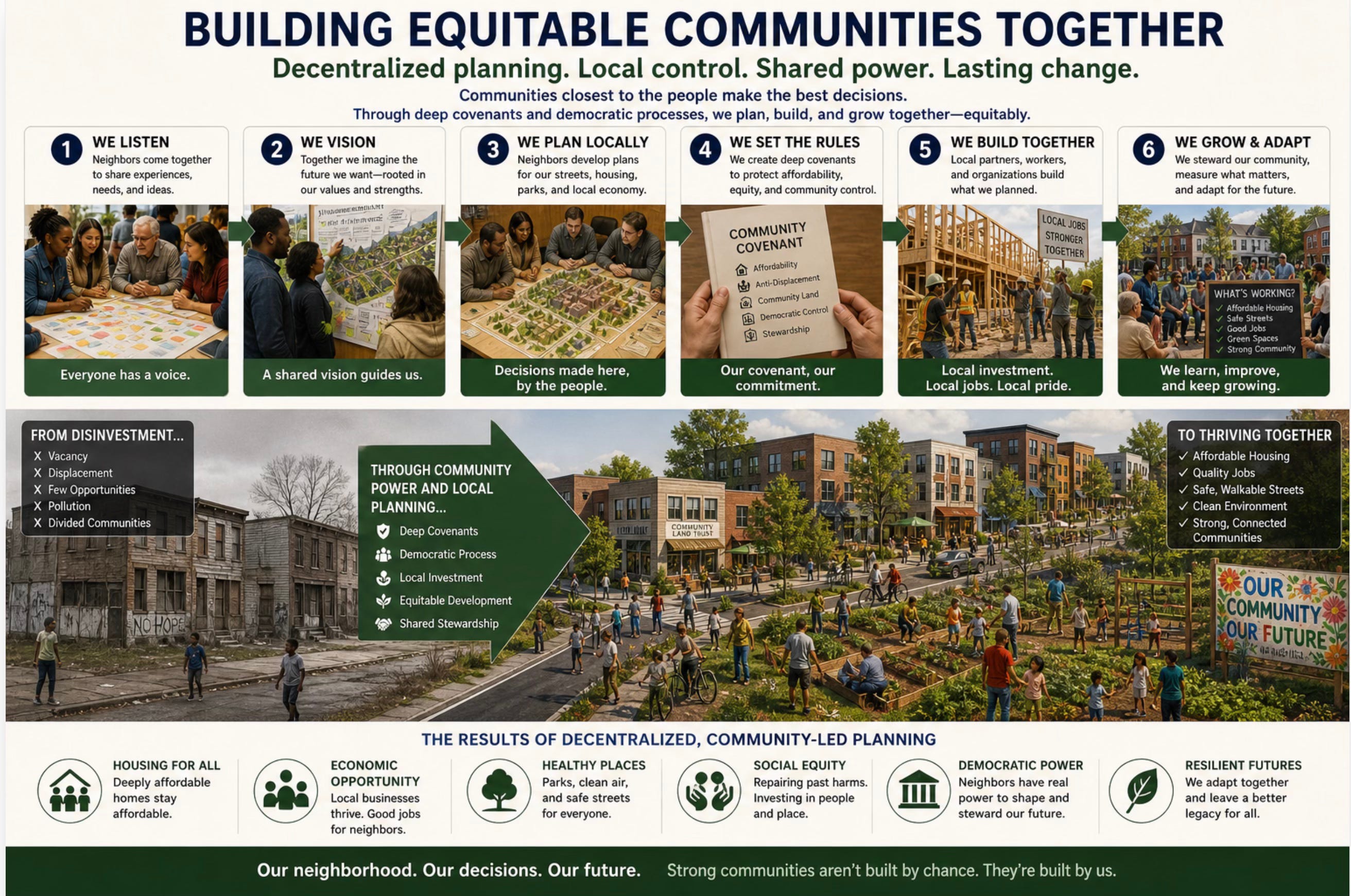
What Windham should do is create a framework that allows each group of Stakeholders in our community an equal voice in the creation of what Windham will look like in the future. This is far from what Zoning is about. Zoning is about centralized control that seeks to push all development into one singular vision of the community. A decentralized planning scheme seeks to build and develop the backbone of the community, the residents. Residents are the true building block of any community; without residents, you have only vacant buildings and corporate assets. If Windham truly wishes to thrive for generations, we must build a community that empowers the residents to determine the pattern of growth.
To do this, we have to understand the separate but vital communities found within Windham- the second-homeowners, the transplants, the middle and working class, entrepreneurs, the young families, the grandparents, and the boomerangs. These are our stakeholders who make up Windham’s future development. We all have different needs in our community, and that is important to understand. And that is why no one-size-fits-all solution from a centrally planned government office will ever truly meet our needs as a community. We as a community must understand that we need differences; they create strengths in our community, and they bring new ideas and innovation to our community. If we isolate and leave out residents from the planning and development of sustainable growth, so that only a few can prosper, our entire community will suffer from a lack of innovation and decline.
That is why we need to understand that, while yes, a top-down approach is far easier to implement, it is far less successful. That is because centralized planning forces its will on the community and is not developed from within the community. So, now I will outline the vision of this decentralized community planning.
Street/ Neighborhood Level:
The most important element of any community are the residents, streets, and neighborhoods they inhabit. That is why planning must start at this basic level, with each street and cluster of homeowners engaging in the process of planning. It’s messy work, but rewarding when people come together and develop a strong vision of how they see their neighborhood or street grow in 5 years to 50 years. And it says things about longevity if the community sees itself as being a cohesive whole. That is why these stakeholders should be the ones to decide the future of their own neighborhoods. Who will build these communities, and who will live in them? That is the core of the plan. To allow the very different groups that make up Town the ability to guide growth as they see fit.
We might see very large land use in one segment in the community during this process, designed for second homeowners who want to build larger, more expensive homes. While on the opposite side of the spectrum, we might see land use reduced 1,300 sf or less for a lot to ensure that maximum density for affordable homes can exist in our core. Our entrepreneurs might help to shape that density at the core by reducing minimum office space uses to 150 sf and building lots as small as 1,250sf to better infill our community. While abandoning parking mandates and opting for dynamically priced paid parking on the curbs to ensure our limited resources are equitably allocated to all users during peak times. All of these options would increase our tax base and reduce prices to the consumer in the long-run.
But the point is that it would be up to the people who live and work in the community to make these decisions. They wouldn’t be pushed on the community by a centralized authority.
The Town’s Role:
The Town’s role in this process is to provide the legal framework to make these regulations possible in the community. This would allow the regulations to have teeth in our community and the utimately enforce these processes. Otherwise, the Town would follow the already established regulations of subdivision management, utilities, architectural review, and compliance with environmental regulations.
This is essentially all our community needs to properly grow. The other assistance the Town could provide would be to create tax incentives, grant funding, and development assistance to help shape and grow the community.
By integrating the development from the Bottom Up, we allow the people who are the most affected by growth to develop that growth. We create stronger communities. And we avoid centralized governmental overreach that we all despise so much. Overreach like that of the DEP and DEC, determining our own land uses without much input from the Residents of Communities like our own.
This policy I’m presenting is one of creating strong local planning. It belongs at the neighborhood level where residents live and work together. This is how I envision our community growing in the future.
On May 9th, between 11 am and 1 pm, The Mountain Top Issues Coalition will be at the Higher Grounds holding an informal roundtable session for anyone willing or curious about how Decentralized planning could look in Windham. I hope to see you this Saturday!