

Mountaintop Manufacturing?
Why not?

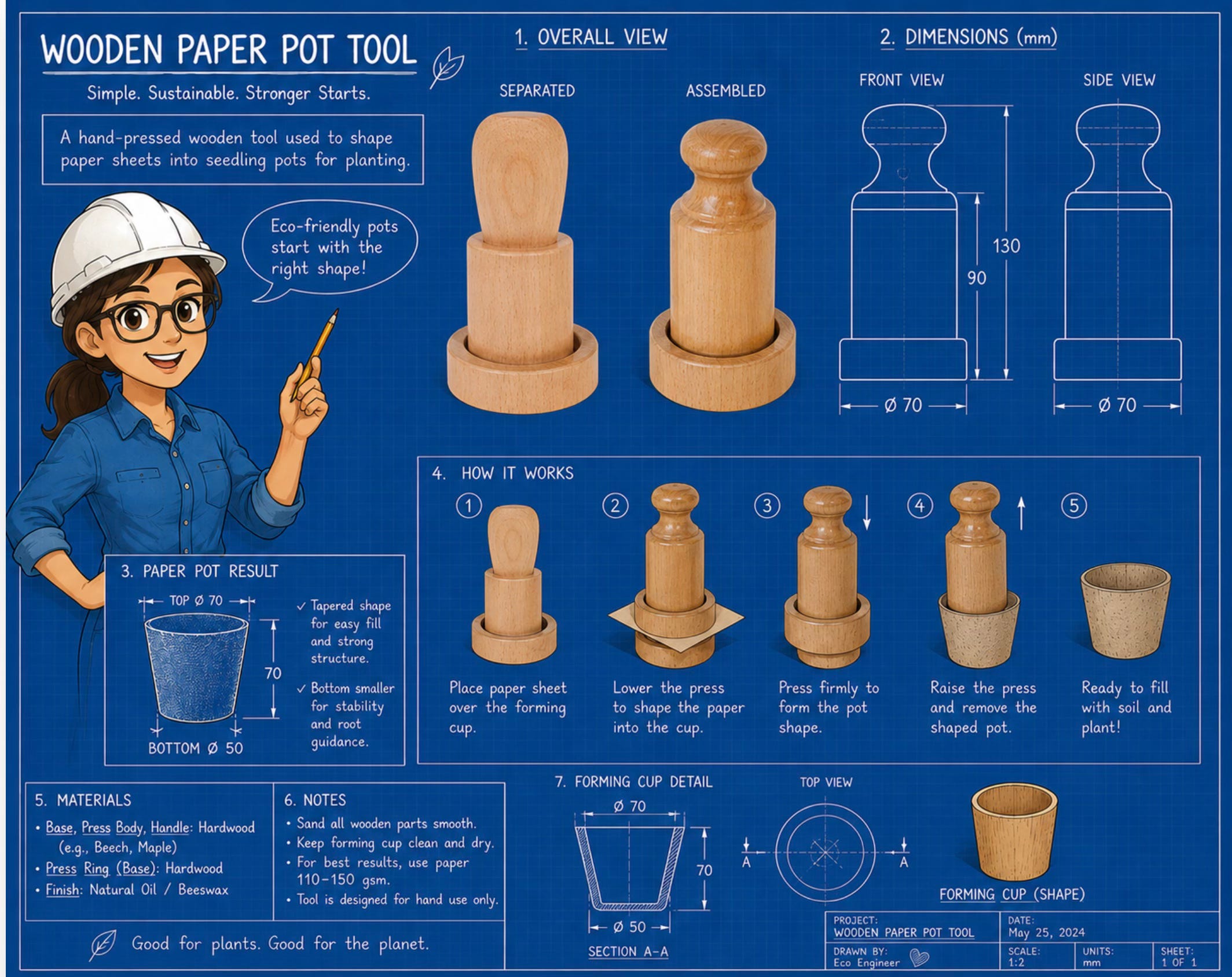
Today, while distributing my flyers around the community about my upcoming June 1st Webinar on a thriving Windham Main Street, I stopped by The Gardenheir store. While I was waiting for a chance to talk to a manager, owner, or assistant manager, I took the time to look through the products for sale. What surprised me so much was not just the prices but the fact that they were all foreign-made for the most part. They sold clothing from China, Pitchers from the UK, knives, and Gardening tools from Japan and Germany. The only products from New York State that surprised me were the following: honey from Accord and some Vingear from the Hudson Valley. Of course, this immediately brought my inner Jane Jacobs right out, and I flashed the story of Henry Grady and the funeral from her book “The Wealth of Nations and Cities”:
“I attended a funeral once in Pickens county in my State. . . . This funeral was peculiarly sad. It was a poor “one gallus” fellow, whose breeches struck him under the armpits and hit him at the other end about the knee—he didn’t believe in decollete clothes. They buried him in the midst of a marble quarry: they cut through solid marble to make his grave; and yet a little tombstone they put above him was from Vermont. They buried him in the heart of a pine forest, and yet the pine coffin was imported from Cincinnati. They buried him within touch of an iron mine, and yet the nails in his coffin and the iron in the shovel that dug his grave were imported from Pittsburgh. They buried him by the side of the best sheepgrazing country on the earth, and yet the wool in the coffin bands and the coffin bands themselves were brought from the North. The South didn’t furnish a thing on earth for that funeral but the corpse and the hole in the ground. There they put him away and the clods rattled down on his coffin, and they buried him in a New York coat and a Boston pair of shoes and a pair of breeches from Chicago and a shirt from Cincinnati, leaving him nothing to carry into the next world with him to remind him of the country in which he lived, and for which he fought for four years, but the chill of blood in his veins and the marrow in his bones.
Now we have improved on that. We have got the biggest marblecutting establishment on earth within a hundred yards of that grave. We have got a halfdozen woolen mills right around it, and iron mines, and iron furnaces, and iron factories. We are coming to meet you. We are going to take a noble revenge, as my friend, Mr. Carnegie, said last night, by invading every inch of your territory with iron, as you invaded ours twentynine years ago.”
To the New England Club in New York, 1886
I could help but be reminded of this story as I searched every label to see where each more impressively priced object hailed from. I like Jane Jacobs believe in the power of local production and supply. As I held each product in my hand, I marveled at the same thing: why not a Windham-based artisan manufacturer for some of these items? Why not a manufacturer of paper pot-making tools made from wood right here in Windham? Why not Tote bags from Windham that embody our plucky spirit, using recycled materials instead of bags from China? What is the point of paying $128.00 for a bag made in China? That seems to totally negate the reason for going to China to manufacture your goods. Or buying a hand-blown glass water pitcher in Windham from some other developing nation? Why not production like this in Windham? Why not create something sustainable right here in Windham that can be sold at the Gardenheir?
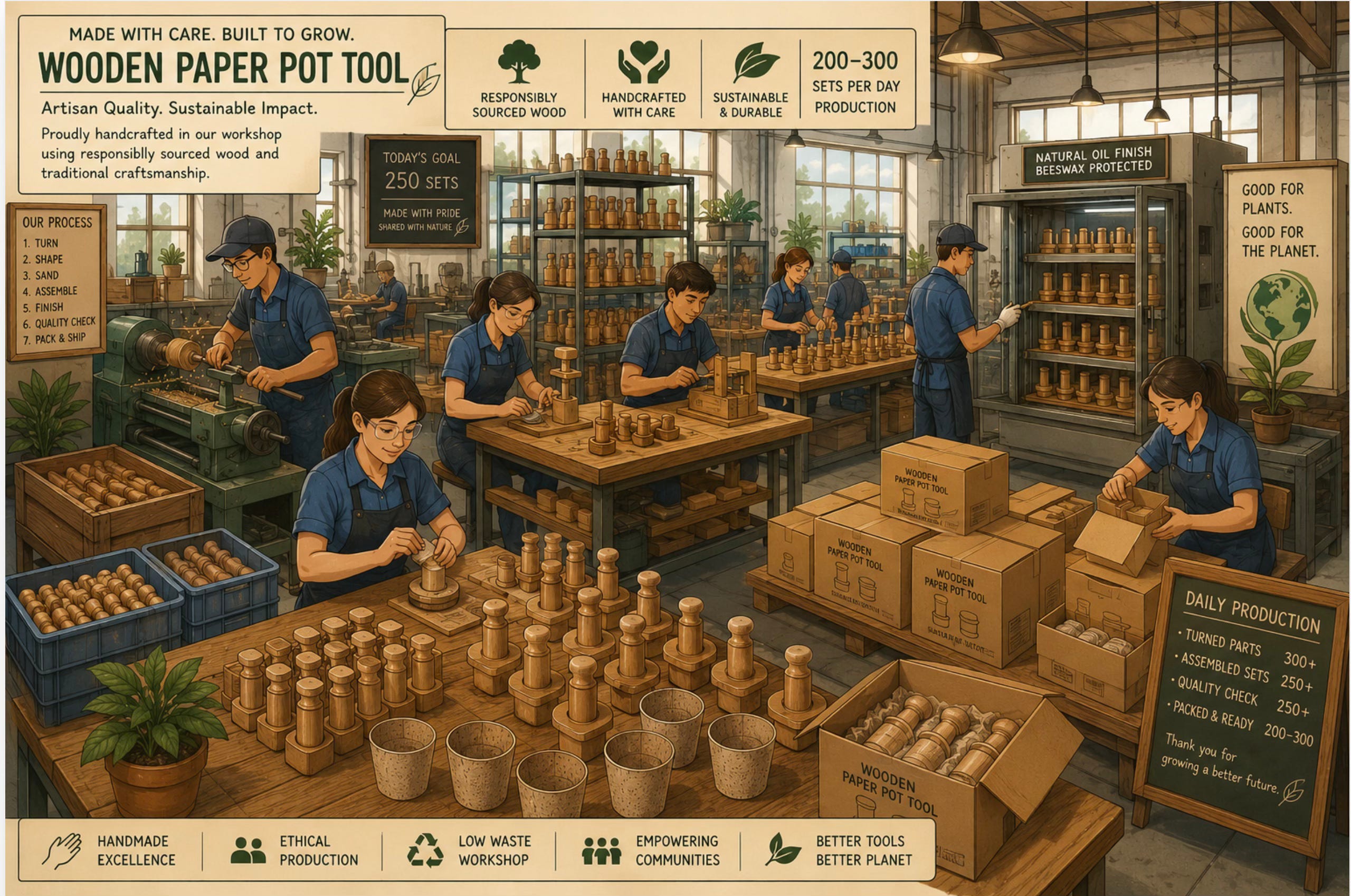
It soon dawned on me that 90% of the tools sold in this store are simply constructed out of wood or stampings. Nothing is easier to mass-produce than stampings, and you can stamp almost anything from steel to leather products. The right dies and a hydraulic press, and you can turn out hundreds of parts per day with little or no effort. I know this because I come from a long line of mechanical engineers and tool and die makers. So, when you grow up with industrial people, you learn how things are made. And while I wouldn’t pick steel working for various environmental reasons in the area, the ability to stamp out leather goods, fabrics, and other materials of that nature is perfect for a low-environmental-impact artisan manufacturing process in Windham. I would stick to making wooden materials since we can turn the by-products of sawdust into our very own charcoal briquettes– it worked for Ford after all, he turned his waste wood from cabs of his cars and trucks into Kingsford Charcoal briquettes. And why should we use this same idea for our own products?
This is the perfect marriage between a high-end local store and a community-owned enterprise that creates sustainable goods in our community. The question is, why is Windham jumping on this opportunity? This is how we can help increase the prosperity in our community and develop new economic opportunities for our residents.
This is how Italy’s Cooperative Region of Emilia Romagna began in the 19th century. The potential here is great; all we need is some vision to make it happen. Isn’t it time for Windham to embrace what we can do instead of saying what we cannot do?
June 1st: Webinar to talk about how Windham Can Build A Stronger Main Street.